

articles
A Senior Living Owner's Guide to Keeping Your Parents Out of Assisted Living
By Adam Upchurch
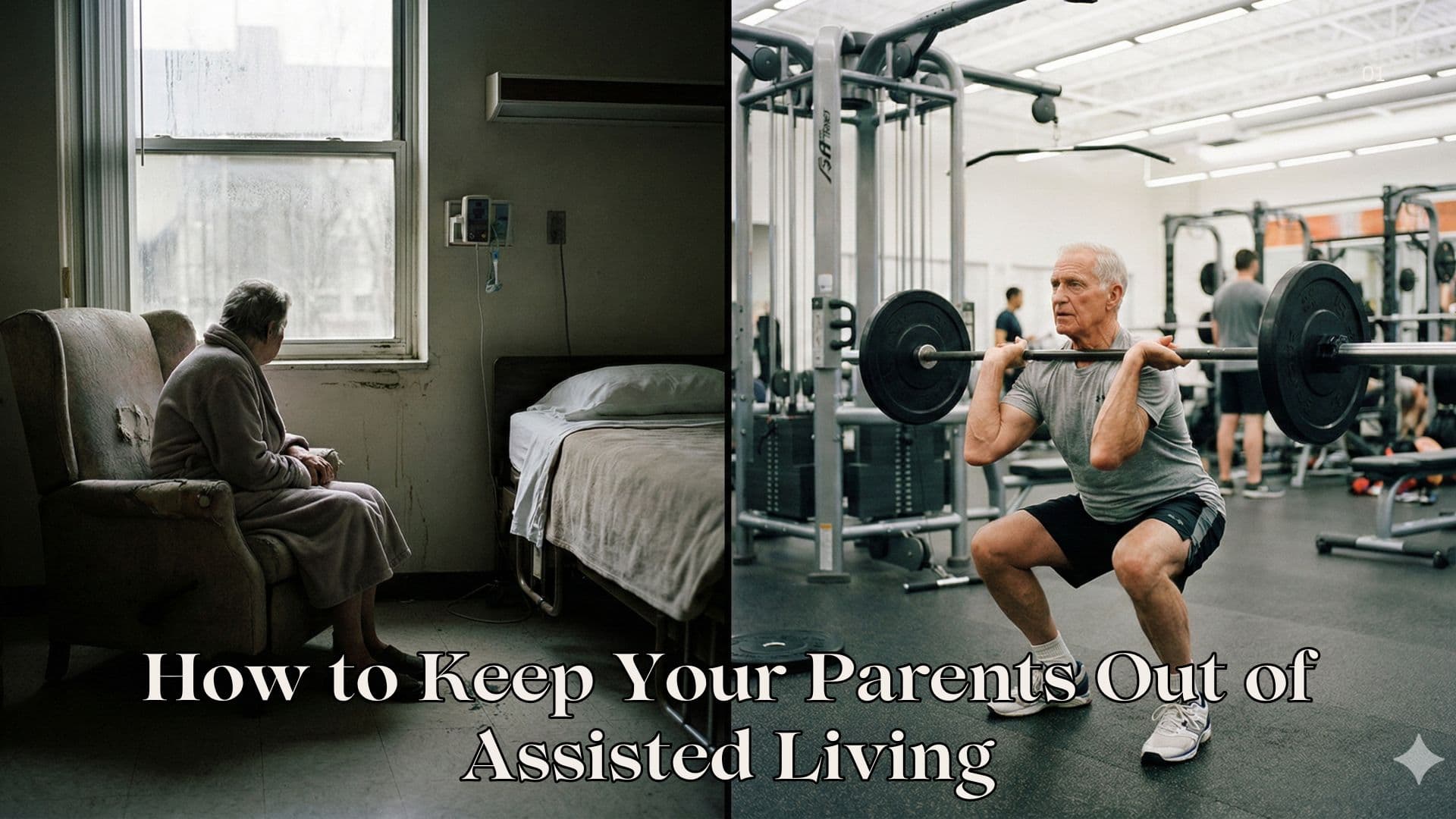
Nobody wants to think about their parents needing care. And the truth is, many seniors can maintain their independence well into their 80s and beyond with the right support and habits in place.
As someone who runs an senior living community, I've seen what separates the people who age at home successfully from those who face a crisis that forces a sudden move. The difference usually isn't luck. It's preparation.
Here's what actually works.
Start the Conversation Early
The biggest mistake families make is waiting until something goes wrong. A fall, a health scare, a moment of confusion that frightens everyone.
By then, you're making decisions under pressure.
Instead, talk with your parents now about what matters to them as they age. Where do they want to live? What would make them feel safe? What are they afraid of? These conversations feel awkward, but they're easier at 72 than at 82.
The Truth About Strength: Use It or Lose It
Here's something I wish more people understood: the single biggest predictor of whether someone can live independently in their 80s is how much muscle mass and strength they maintained in their 50s, 60s, and 70s.
After age 30, we lose 3-5% of our muscle mass per decade. After 60, that accelerates. This isn't just about looking fit. Muscle is what allows your mother to get up from a low toilet seat. It's what keeps your father from falling when he trips on a curb. It's what determines whether a hospital stay leads to recovery or permanent decline.
The seniors I see who are thriving at 85? Most of them never stopped exercising. And critically, many of them lift weights.
Weight training isn't just for young people. It's arguably more important for older adults. Studies consistently show that people in their 70s, 80s, and even 90s can build muscle and strength with resistance training. The body still responds. But the window gets narrower the longer you wait.
If your parent is in their 60s or 70s and isn't doing any resistance training, now is the time to start. Not next year. Now. Every year of muscle loss makes the climb back harder.
This doesn't mean they need to join a CrossFit gym. It means:
- Working with a physical therapist or trainer who specializes in older adults
- Using resistance bands, dumbbells, and weight machines
- Focusing on functional movements: squats (even to a chair), pressing, pulling movements and even carrying weights. A favorite of ours is rucking. Which is just walking with a heavy backpack.
- Building up gradually but consistently, ideally 2-3 times per week
- Look into Progressive overload. Start light do a few sets of a few reps (3-8), add weights every week until it gets hard, then add weight and drop reps. The build up every week until you can do 8 reps. Add weight drop reps again.
And if you're reading this in your 40s or 50s, take note. The strength you build and maintain now is the independence you're banking for later. Don't wait until you "need" to exercise. The people who stay out of nursing homes are the ones who never stopped moving and never stopped challenging their muscles.
Movement Beyond the Gym
Strength training matters most, but general movement matters too. Walking daily, taking stairs, gardening, playing with grandchildren. The body that stays active stays capable.
If your parent has become sedentary, start wherever they are. A walk to the mailbox. Standing during TV commercials. Chair exercises while watching the news. Any movement is better than none, and small wins build momentum.
Consider:
- Walking groups at local parks or malls
- Silver Sneakers classes (often covered by Medicare Advantage plans)
- Water aerobics for those with joint issues
- Tai chi for balance and coordination
But don't let these substitute for actual strength work. Cardio and flexibility are good. Muscle is essential.
Keep the Mind Sharp Through Purpose, Not Just Puzzles
Cognitive decline isn't inevitable. But here's what most advice gets wrong: the answer isn't just crossword puzzles and brain games. The mind stays sharp when it has a reason to stay sharp.
Viktor Frankl, the psychiatrist and Holocaust survivor, wrote that humans can endure almost anything if they have a "why." The same principle applies to aging. The seniors who maintain their cognitive abilities longest aren't just keeping busy. They have purpose. They're needed somewhere. They contribute to something beyond themselves.
Work longer if possible. I know retirement is supposed to be the goal, but the research is clear: people who continue working, even part-time, maintain cognitive function better than those who stop abruptly. Work provides structure, social interaction, problem-solving, and identity. If your parent is considering early retirement, it's worth asking what will replace those benefits.
This doesn't mean staying in a job they hate. But it might mean:
- Shifting to part-time or consulting work
- Starting a small business around a skill or hobby
- Taking on a completely different role just to stay engaged
Volunteer with real responsibility. Not all volunteering is equal. Stuffing envelopes once a month is fine, but it won't keep someone's mind sharp. The opportunities that matter are ones that require showing up consistently, solving problems, and being counted on.
Consider roles where your parent would:
- Mentor or tutor others (teaching is one of the best cognitive exercises)
- Serve on a board or committee that makes actual decisions
- Lead a group or organize events
- Use professional skills in a new context (accountants helping nonprofits with taxes, nurses volunteering at free clinics)
Stay socially connected with intention. Isolation is devastating to the aging brain. But social connection doesn't just mean being around people. It means relationships with depth, conversations that challenge, and feeling known by others.
Encourage your parents to:
- Maintain friendships that go beyond surface pleasantries
- Join groups centered on shared interests: book clubs, hobby groups, faith communities
- Have regular one-on-one time with people who matter to them
- Stay in touch with former colleagues who understood their professional world
Keep learning, but make it matter. Learning a new language, instrument, or skill genuinely helps the brain. But it works best when there's a reason behind it. Learning Spanish to talk with a grandchild is more motivating than learning it just because "it's good for you." Taking up woodworking to build something for the family creates more engagement than puzzles done in isolation.
The brain doesn't stay sharp through passive activity. It stays sharp through engagement, challenge, and meaning. The question isn't just "what will keep Dad busy?" It's "what will make him feel like he matters?"
Address the Home Environment
Most seniors want to age in their own home. But many homes weren't designed for aging bodies.
A proactive home assessment can identify risks before they cause problems:
- Grab bars in bathrooms (install them before they're "needed" so they feel normal)
- Good lighting, especially on stairs and in hallways
- Remove trip hazards like loose rugs and cluttered walkways
- Consider a bedroom and bathroom on the main floor
- Ensure smoke detectors and carbon monoxide detectors work
Many communities offer free home safety assessments through local Area Agencies on Aging.
Build a Support Network Now
Independence doesn't mean doing everything alone. The seniors who thrive at home usually have layers of support:
- Family members who check in regularly
- Neighbors who notice if something seems off
- A relationship with a primary care doctor who knows them well
- Perhaps a housekeeper, lawn service, or meal delivery to reduce physical demands
Having these supports in place before a crisis means your parent isn't suddenly trying to figure everything out while recovering from a hospital stay.
Watch for Warning Signs
Even with the best preparation, sometimes the balance tips. Watch for:
- Unexplained weight loss or a refrigerator full of expired food
- Missed medications or doctor's appointments
- Increasing isolation or withdrawal from activities they used to enjoy
- Difficulty managing finances or bills
- Changes in hygiene or home cleanliness
- Getting lost in familiar places
- Difficulty rising from chairs or frequent falls
These don't necessarily mean assisted living is needed. But they do mean something has changed and deserves attention.
When Independence Isn't Working
Sometimes, despite everyone's best efforts, living alone stops being safe or fulfilling. If your parent is isolated, struggling with daily tasks, or you're constantly worried about what might happen, that's worth acknowledging.
The goal was never independence for its own sake. The goal is a life with dignity, purpose, and connection. For some people, that's achievable at home. For others, it means finding a community where they're known and supported.
There's no shame in either path.
A note for those in midlife: If you're reading this while researching options for your parents, take a hard look at your own habits too. Are you strength training? Are you building the muscle that will carry you through your 80s? Do you have purpose beyond your job? The best time to start was 20 years ago. The second best time is today.
Learn more about how Joy cares for residents, a personal care home in Loganville, GA.
Keep reading
- When You and Your Siblings Can't Agree About Mom's Care
The hardest part of finding care for a parent often isn't the parent. It's the phone call with your brother. Here's how to have that conversation without wrecking the family.
- A Week to Thank the People Who Show Up
National Assisted Living Week is a chance to say something plain and overdue to the caregivers at Joy: thank you for the early mornings, the patience, and the small kindnesses nobody sees.
- It's College Football Season: so here's how to make football season one to remember with a Senior.
Saturdays in the fall mean something to a lot of the folks who live here. Here's how we keep game day feeling like game day, and how you can too.
Come see the home
The best way to know if Joy is right for your parent is to walk through it. Book a tour, or call us at (470) 684-3569.